
Chatbots Are Already in Your Social Media Feed, and They Didn’t Need Your “Like” to Get There
May 19, 2026 | By Jessica S.
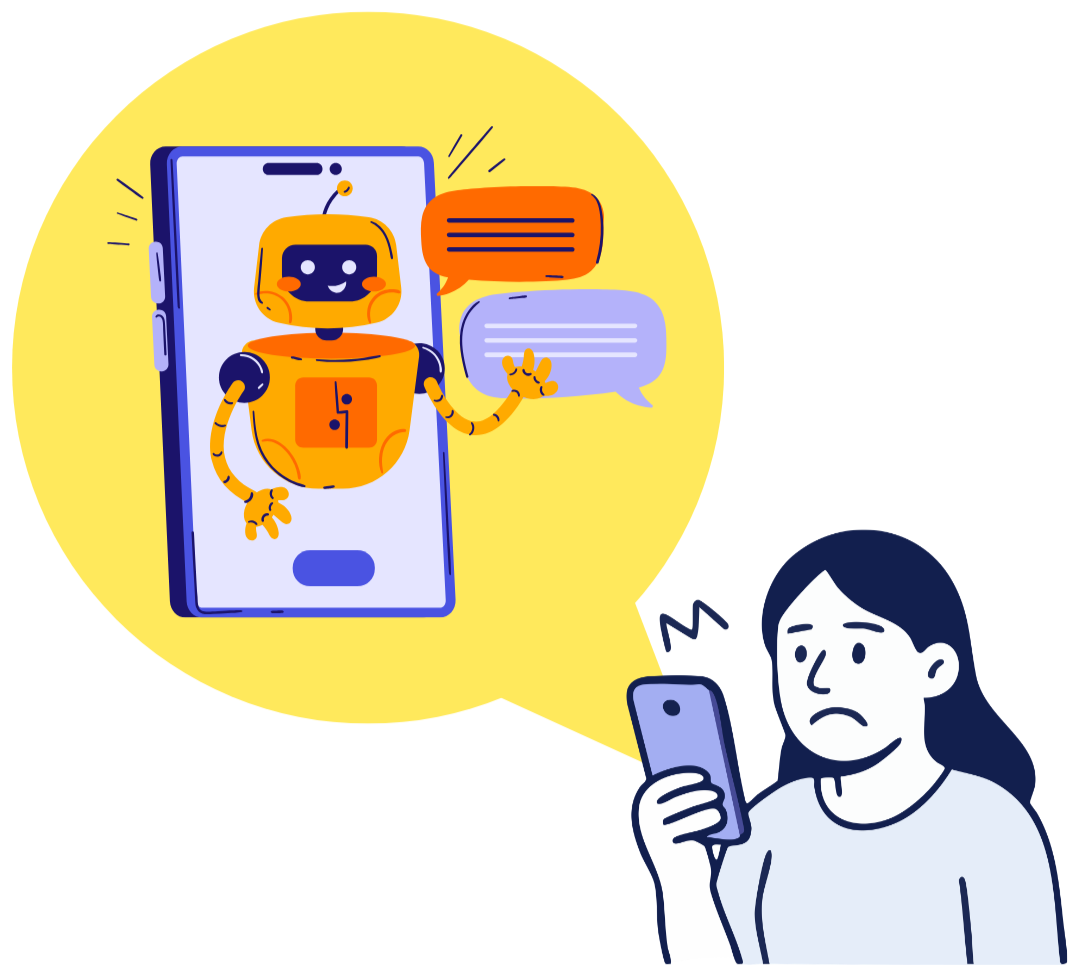
If you’ve been on TikTok recently, you might have noticed a small robot icon on the right side of your screen, positioned above the like button. The icon belongs to Tako, TikTok’s built-in AI chatbot, which rolled out globally in early 2026. You didn’t download it or enable it. It was integrated into your experience without any input from you, present in every video you watch, regardless of whether you want it there.
TikTok isn’t the only platform doing this. Snapchat has My AI pinned permanently at the top of your chat list. Instagram and Facebook have Meta AI embedded into the search bar and direct messages. X has Grok accessible from the sidebar. None of these are separate applications you opted into. They’ve been incorporated directly into platforms most of us already use daily, and they were introduced gradually enough that many of us likely didn’t notice the shift until these features were already fully in place.
The way these companies characterize their chatbots, it all sounds reasonable enough. Tako is meant to help you discover content more efficiently. My AI is described as a supportive companion. Meta AI is supposed to answer your questions without you ever having to navigate away from the app. I believe there’s undeniable potential in what these tools could offer, and I understand why platforms are excited to integrate them. However, there’s a clear difference between a tool you actively choose to use and one that’s incorporated into your experience before you’ve had any say in it.
What concerns me about how this has unfolded is that these additions came faster than anyone could reasonably keep up with. These features didn’t arrive with any kind of prompt asking whether you wanted them enabled. They were simply deployed, and in most cases, there’s no straightforward way to remove them. Snapchat’s My AI can’t be taken off your chat list unless you pay for a premium subscription. Tako’s button appears on every TikTok video with no option to disable it. The underlying assumption seems to be that having AI accessible at all times is something users would naturally welcome, though I’m not convinced that assumption was ever seriously examined with the people who actually use these platforms.
It’s also worth considering how deliberately these chatbots are designed to feel personal. My AI has a Bitmoji. You interact with Tako through a window that’s visually identical to a standard direct message. When an interface is constructed to resemble a relationship rather than a utility, the distinction between communicating with a tool and communicating with a person becomes genuinely difficult to maintain. I think that’s an intentional design choice. The more a chatbot is perceived as a companion, the more time a user invests in it and the more data that interaction generates for the platform. This is already becoming a problem in ways that go beyond screen time. Teens are turning to these chatbots for emotional support, and there have been lawsuits holding AI platforms accountable for their role in serious harm to young users, such as the case against Character.AI following the death of a 14-year-old in Florida. When a product is designed to feel like a trusted confidant, the question of who is responsible for what it says becomes a lot harder to avoid. Meta’s announcement that conversations with Meta AI would be used to inform ad personalization, with no opt-out available, makes this dynamic difficult to ignore. The same interface that’s designed to feel like a private exchange is also functioning as a data source for the platform.
What I keep returning to is that young people make up a significant portion of these platforms’ user bases, yet the decisions about what gets built into them are made entirely without our input. When problems emerge, and they have, the response is typically to introduce restrictions after the damage is already documented rather than to establish safeguards from the beginning. It’s a pattern worth taking seriously.
I’m not suggesting that AI has no place in the platforms we use. There are aspects of it that can serve youth well, whether that’s helping someone navigate a new app, find communities aligned with their interests, or access information they might not otherwise know how to search for. But I do believe users deserve the opportunity to decide whether they want these features before they become a fixed part of their experience. A genuine opt-out should be accessible to everyone, rather than potentially reserved for paying subscribers. Any AI feature deployed on a platform with a large youth user base should be held to meaningful safety standards before it reaches individuals, not revised in response to incidents that could have been anticipated.
These chatbots aren’t going away, and the platforms integrating them aren’t slowing down. That said, I don’t think the answer is to disengage entirely. Being more deliberate about how we interact with features we never asked for is probably a good place to start. Understanding what these tools are designed to do and who benefits from using them matters more than most of us realize.
About the author
Jessica (she/her) is a high school senior and incoming freshman at Stanford University from South Florida who is passionate about technology and digital literacy. She is the founder of Tech 4 Now, a 501(c)(3) nonprofit organization that bridges the generational digital divide by providing free technology and internet safety education in English and Spanish to kids and seniors. Jessica coded Flip the Switch, a mental wellness app powered by AI to support emotional well-being, and AuthentiCheck AI, a platform designed to help users identify AI-generated misinformation. She joined GoodforMEdia to help youth practice healthier ways of engaging with media and technology. She is dedicated to fostering meaningful conversations, empowering her peers to navigate digital spaces thoughtfully and constructively, and contributing to a fun, positive, and safe digital environment.
Additional Tools and Insights 📚
GoodforMEdia Guide for Teens: AI in the Digital World: This guide offers practical tips to help youth understand how AI works, recognize its limits, and use it in ways that support creativity, connection, and mental health.
GoodforMEdia 10 Tips for Taking Care of Your Mental Health in a Digital World: Discover tips for redefining your relationship with the media and finding ways to protect your wellbeing while staying connected.
GoodforMEdia Guides and Tools: Explore additional resources created by youth to help their peers and adult allies navigate the positive and negative aspects of social media.
Share Your Perspective 💬
Have tips, stories, or strategies for healthy social media use? Submit a testimonial to share your perspective and help others navigate online spaces. Learn more and share.