
Behind the Screen: The Hidden Harms of Cyberbullying
January 20, 2026 | By Mia
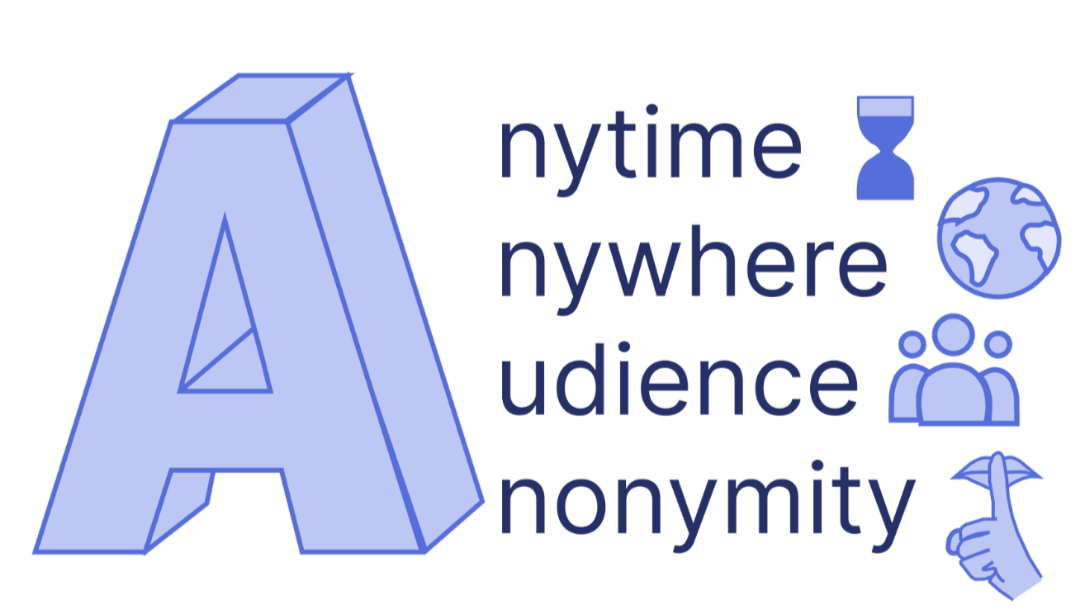
In today’s day and age, bullying has found a new territory, one that exists beyond the confines of the school playground and extends beyond mere name-calling and insults. Cyberbullying, repeated, intentional harm inflicted through digital platforms, often involves harassment, threats, public humiliation, or impersonation. Unlike traditional bullying, cyberbullying can happen anytime, anywhere, with a global audience, and under the veil of anonymity, making it especially damaging to youth. Adolescents are gravitating towards cyberbullying due to the screen providing them with a perceived safety net, allowing them to feel comfortable in engaging in cyberbullying. And so, the damages of cyberbullying extend far beyond what we have seen before, leaving invisible wounds that linger long after the screen goes dark.
How does cyberbullying affect people?
Many believe that it does less damage than “traditional” bullying, but in reality, it can do more harm. Kids and teens who are exposed to cyberbullying can experience depressive symptoms, suicidal thoughts, low self-esteem, and loneliness, all connected back to words typed onto a screen (1). The emotional exhaustion, the constant self-doubt, the steady rush of media content, and the efforts to appear okay all lead towards the often overlooked psychological impacts of cyberbullying, which usually extend beyond the harms that we see with traditional bullying. As a junior in high school, I have seen the effects of cyberbullying on my community and how it has negatively impacted my peers’ mental health, perceived confidence, and inability to be their authentic selves online. Cyberbullies have become more common in younger settings, with some children experiencing cyberbullying as young as ten years old.
What the research shows
“One study of Australian youths aged 10–25 years found that 3% of the sample had suicidal thoughts after a cyberbullying incident and 2% of the same sample engaged in self-harming behavior.” (1)
“Cyberbullying can also have physical effects on victims such as weight loss or gain, substance abuse, headache, abdominal pain and sleeping problems.” (1, 2)
How digital spaces can amplify harm
Negativity multiplies online. Social media has the power to share things faster than in a playground or in a school hallway. Photos, videos, and comments can get shared, amplified, and repeated in a way that was previously not possible. Posts with more likes are shown to more people as they gain popularity, exacerbating the issue. Cyber spaces now serve as digital echo chambers, where harmful content can spread quickly and widely. Because of this, harmful comments about people online are normalized and are rarely challenged by online bystanders. Many people can engage in, overlook, or don’t believe behaviors to be wrong or unhealthy due to a sense of detachment: it isn’t “IRL.”
Screens are not shields. The presence of a screen does not protect the bullied from experiencing the psychological impacts. However, a digital interface can make those doing the bullying feel detached and separate from the pain and hurt they are causing. Many cyberbullies feel that because there is a screen between them and the target, they can say things that they would never say in person, colloquially known as ‘keyboard warriors.’ This sense of detachment and feeling ‘bolder’ than one would in person can aggressively amplify the nastiness of comments or the force of bullying.
“A keyboard warrior is someone who aggressively argues, criticizes, or cyberbullies others online from behind a screen, often in ways they wouldn’t in person (3).”
The added layer of anonymity. Similarly, screens add an extra layer of anonymity to bystanders. Cyberbullying pushes bystanders to be in a more observant role than ever before. Rather than standing at the side of a confrontation in the locker room or on the playground, bystanders are now able to swipe past, switch off, and detach from bullying they see online. The results? People are letting things slide that they might not let happen in person. This is only made worse by the emotional fatigue generated by the copious amounts of negative online comments, actions, and activity. On the contrary, upstanders are individuals who report and recognize cyberbullying when observed. It is equally important to recognize upstanders as it is to recognize bystanders due to their bravery and courage in speaking out and calling out bullying.
“As Ybarra and Mitchell (2004) state: ‘the anonymity associated with online interactions may strip away many aspects of socially accepted roles, leading the Internet to act as a potential equalizer for aggressive acts.’ (4)”
Responsibility in digital spaces
While many social media platforms have started to catch more harmful comments made about people, the issue of cyberbullying persists. As a result of this, the solution falls on both parties: social media companies and users. This dual responsibility highlights the obligation that users and companies alike have to ensure safe online spaces.
So, before you post something, comment, or share, think about: would you say it to their face? Would you want someone to say the same thing about you? And this is not just about the bullies; it is about breaking the pattern as a bystander, too. If you heard those comments or saw that behavior in person, would you let it be? Would you say nothing? Probably not. So why should we let it slide when it happens on a screen?
Cyberbullying, more so than bullying in person, demands that we all stop and reflect.
Ending cyberbullying doesn’t come from one big action or a social media organization creating stricter rules – it’s about small, everyday choices:
🧡 Choosing to comment with kindness instead of silence.
🧡 Choosing to report negativity instead of fueling it.
🧡 Choosing to treat people online the same way you’d treat them face-to-face.
Over time, the process of filtering out cyberbullying, by self-reflection and active positive contributions, will help create a safer space on social media. But, in the meantime, how do we handle cyberbullying, especially if you are the one being bullied?
What to do if you or someone you know is experiencing cyberbullying
Below are some tips, as outlined on Scroll Smart, a nonprofit educational initiative focused on safe social media usage, from the cyberbullying practical guidance section:
💬 Talk to someone: When going through cyberbullying, you must find support from friends, family, or people you can trust. If you are a teenager who has experienced cyberbullying, you might want to consider talking to a parent or teacher whom you feel you can trust. If cyberbullying is occurring in school or involving people who attend your school, a teacher should be able to help you resolve the issue effectively. Schools may dismiss bullies from sports teams or suspend them from school. Some types of cyberbullying may violate school codes or even break anti-discrimination or sexual harassment laws (5).
✋ Do not engage or respond: When people are cyberbullying others, they may be doing it for a reaction. If you choose not to respond, they may eventually become bored and move on (5).
🔒 Privacy controls: You can delete posts on your profile or hide them from specific people. If the bullying is happening on a social platform, consider blocking the bully and formally reporting their behavior on the platform itself. On most social media platforms, people aren't notified when you block, restrict, or report them. Social media companies are obligated to keep their users safe (5).
📝 Reporting: To stop bullying, it needs to be identified and reported. It shows the bully that their behavior is unacceptable. It is also helpful to collect evidence, text messages, and screenshots of social media posts (5).
🛑 Assess the threat: If a cyberbully is sending you messages threatening you or making you feel unsafe, you should contact law enforcement. They will be able to help you with your immediate safety and give you advice on what to do moving forward. It's important to remember that law enforcement is only there for emergencies, and you should only be contacting them if you are in immediate danger or believe your personal safety is at risk (5).
In summary: cyberbullying prevention and coping strategies
✔️ Talk to a trusted adult if you are experiencing cyberbullying
✔️ Using audience selectors (making accounts private, choosing who can see your posts, etc.)
✔️ Deleting or turning off comments and likes
✔️ Report bullying on social media platforms
✔️ Remind yourself of the power of being an upstander, someone who protects and honors safe online spaces
About the author
Mia (she/her) is currently a junior in high school in the Bay Area who is passionate about educating adolescents on social media usage, cyberbullying, and misinformation. She is the founder of Scroll Smart, a platform designed to help educate youth on how to safely navigate social media. She hopes to continue to shed light on best practices for social media usage and cultivate safer online spaces.
Additional Tools and Insights 📚
Tips for Taking Care of Your Mental Health in a Digital World: Learn insights and strategies for protecting your wellbeing while staying connected.
Breaking Free from Echo Chambers: Insights from Reese: Reese shares her experience with algorithm-driven recommendations and echo chambers and how it impacted her mental health.
#GoodforMEdia Guides and Tools: Explore a list of resources created by youth to help their peers and adult allies navigate the positive and negative aspects of social media.
Sources 🔍
(1) Foody M, Samara M, Carlbring P. A review of cyberbullying and suggestions for online psychological therapy. Internet Interv. 2015 Sept 1;2(3):235–42.
(2) Price M, Dalgleish J. Cyberbullying: Experiences, Impacts and Coping Strategies as Described by Australian Young People. Youth Stud Aust. 2020 Dec 24;29(2):51–9.
(3) Biddle K, Ekdale B, High AC, Stoldt R, Maragh-Lloyd R. Beyond ‘Lulz’ and ‘Keyboard warriors’: exploring the relationship between trolling and radicalization. Inf Commun Soc. 2024 Dec 9;27(16):2817–33.
(4) Ybarra ML. Linkages between Depressive Symptomatology and Internet Harassment among Young Regular Internet Users. Cyberpsychol Behav. 2004 Apr;7(2):247–57.
(5) Scroll Smart 1 [Internet]. [cited 2025 Oct 14]. Cyberbullying. Available from: https://www.scrollsmart.org/copy-of-child-trafficking
Share Your Perspective 💬
Have tips, stories, or strategies for healthy social media use? Submit a testimonial to share your perspective and help others navigate online spaces. Learn more and share.